What Is Cellular Voltage?
Cellular voltage is a plain-language way of describing the electrical potential that exists across a cell’s outer membrane.
Cells maintain differences in electrical charge by moving ions such as sodium, potassium, calcium and chloride across their membranes. This electrical potential helps support communication and normal cellular activity.
There is not one universal whole-body voltage.
Different cell types maintain different electrical conditions and use changes in membrane potential in different ways.

Three Ideas That Make Cellular Voltage Easier to Understand
Select each term to see how it contributes to cellular electrical activity.
Cells create an electrical difference.
Cell membranes separate charged particles called ions. Channels and pumps help control how these ions move between the inside and outside of the cell, creating an electrical difference across the membrane.
That difference creates membrane potential.
Membrane potential describes the difference in electrical charge across a cell’s membrane. The value is not identical throughout the body because different types of cells have different functions and electrical characteristics.
Electrical changes help cells communicate and respond.
Rapid changes in membrane potential are central to nerve and muscle activity. Electrical conditions also contribute to signaling and coordinated behavior in many other types of cells.
Dr. Tennant uses cellular voltage more broadly to describe the electrical conditions associated with communication, responsiveness and the body’s ability to coordinate its processes. This framework is educational and is not a medical diagnosis or a value that can be determined from symptoms alone.
General physiology reference: Ion Channels and the Electrical Properties of Membranes
Two Technologies with Distinct Roles
The BioTransducer® is used first for contact-free polarity support. The BioModulator® follows with targeted adaptive microcurrent when included in the selected Tennant protocol.
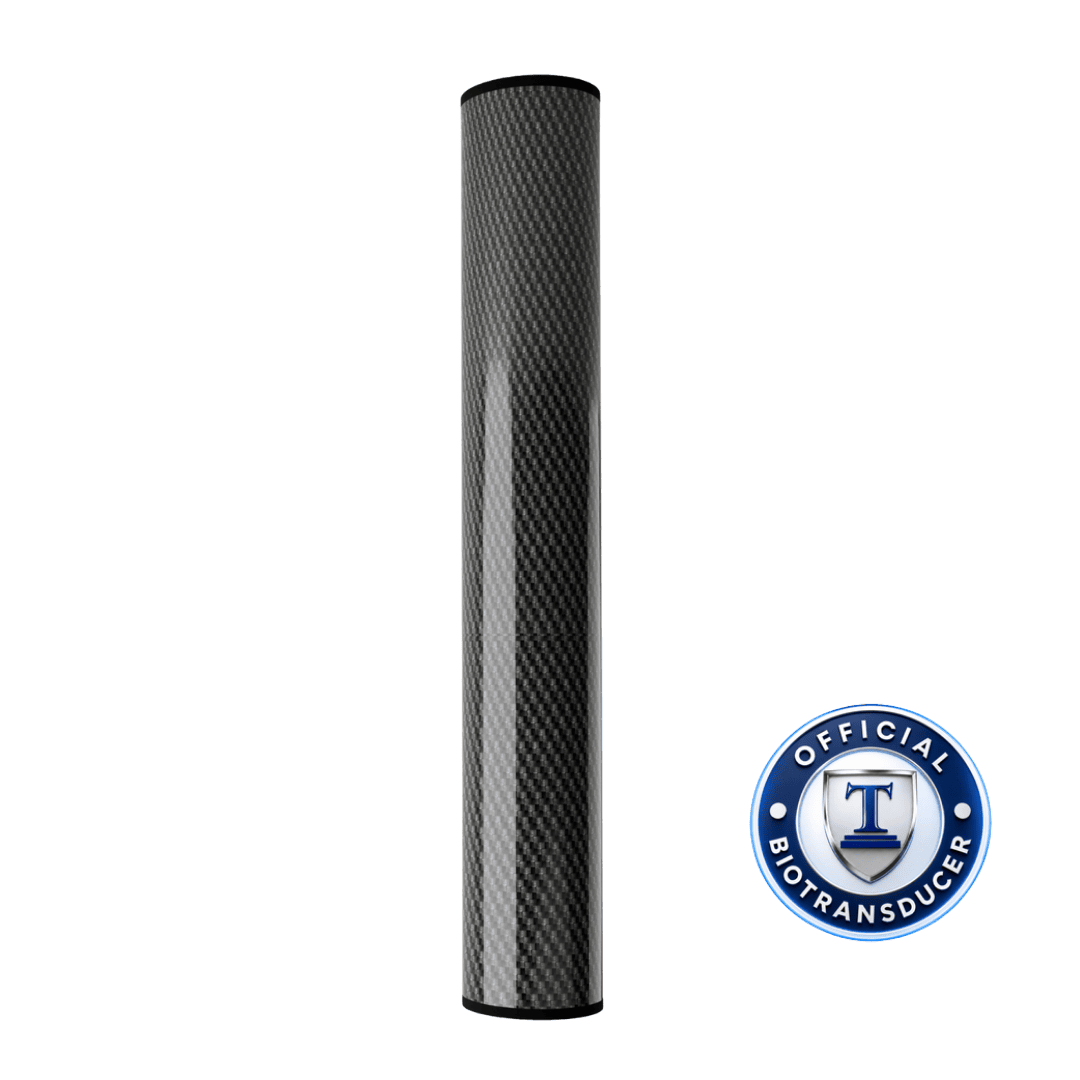
Tennant BioTransducer®
The BioTransducer® is held a short distance from the body and directed toward the skin or area being supported. Its scalar technology does not require the device itself to touch the skin and can be used through clothing.
The BioTransducer® can be used independently or as the first technology in the coordinated Tennant System.
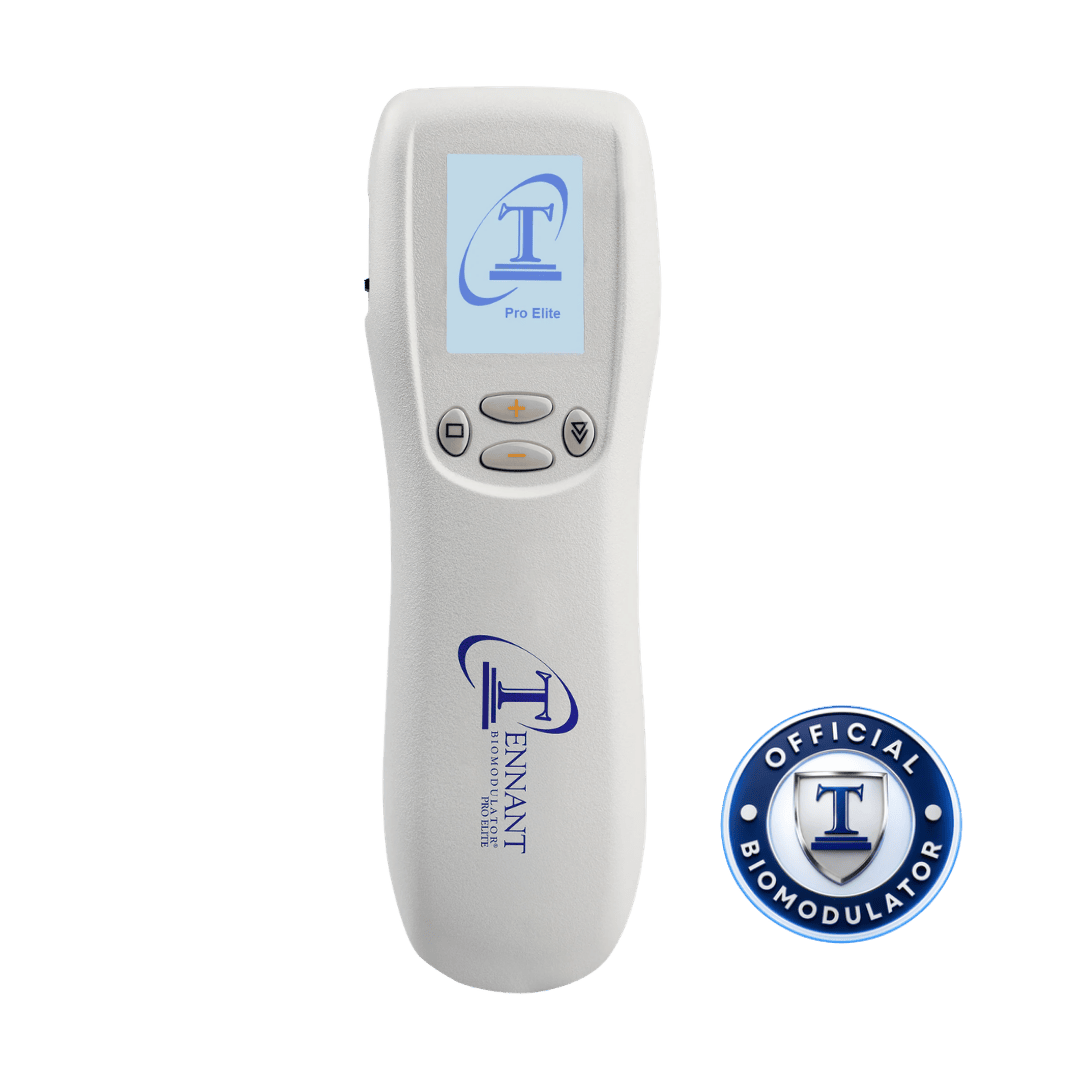
Tennant BioModulator®
The BioModulator® is moved directly over selected areas of the skin for targeted bioadaptive microcurrent support. It reads the electrical interaction at the point of contact and adjusts its output in real time.
Current-generation adaptive biofeedback supports focused, protocol-guided sessions without external handgrips or footplates.
Polarity Comes First
When both technologies are included, each serves a different role within one guided Tennant protocol.
BioTransducer®
Begin with contact-free scalar technology directed toward the body to support polarity.
BioModulator®
Follow with targeted adaptive microcurrent when it is included in the selected protocol.
Guided Education
Build understanding through current owner education, protocol guidance and continuing support.
Find the Right Starting Point
Every device discussion is complimentary and educational. Compare the technologies, understand owner support and ask practical questions about the options available to you.
Why people explore cellular voltage support
Different Experiences Can Point Back to One Electrical Foundation
Within Dr. Tennant’s Healing Is Voltage® framework, low voltage is the common denominator once dysfunction develops—even though the stressors that lead there and the way the pattern appears can differ.
Choose an experience to explore the connection.

Pain & function
When discomfort begins shaping the rest of the day
Persistent discomfort can influence movement, sleep, focus and participation. The Tennant framework looks beyond the place where pain is felt to consider the low-voltage patterns that may be limiting electrical communication and responsiveness.
Explore chronic pain support
Energy & capacity
When the energy available does not match the day ahead
Voltage is considered the electrical capacity cells need to communicate and perform work. When reserve is depleted, stamina, clarity and the ability to recover from ordinary demands may be among the first changes people notice.
Explore energy and fatigue support
Nervous-system load
When the system has difficulty shifting out of alert
A nervous system that remains mobilized can spend more energy on protection and less on restoration. Tennant education connects regulation, organized signaling and cellular voltage as parts of the same electrical picture.
Explore nervous-system support
Recovery & resilience
When returning to baseline takes more time
Coordinated recovery requires energy, communication and responsiveness. Within the Tennant framework, low voltage can leave the system with less reserve to organize its response after physical strain, stress or everyday demands.
Explore recovery support
Stress & restorative rest
When rest does not fully rebuild reserve
Stress and disrupted sleep can both drain electrical reserve and make it harder to rebuild. Tennant education considers rest, autonomic regulation and cellular voltage as connected influences rather than isolated concerns.
Explore stress and sleep support
Communication & responsiveness
When the body’s messages become less organized
Cells, tissues, fascia and nervous-system pathways rely on coordinated electrical signaling. Low voltage is viewed within the Tennant framework as a condition in which those messages may become weaker, slower or less organized.
Explore electrical communicationThese experiences often overlap and can have multiple contributing factors. This educational framework does not replace appropriate medical evaluation or care.
Education & continuing support
Support Continues After the Device Arrives
The Tennant System is supported by structured education that helps owners understand the role of each technology, how the sequence works and how to build greater confidence through consistent, informed application.
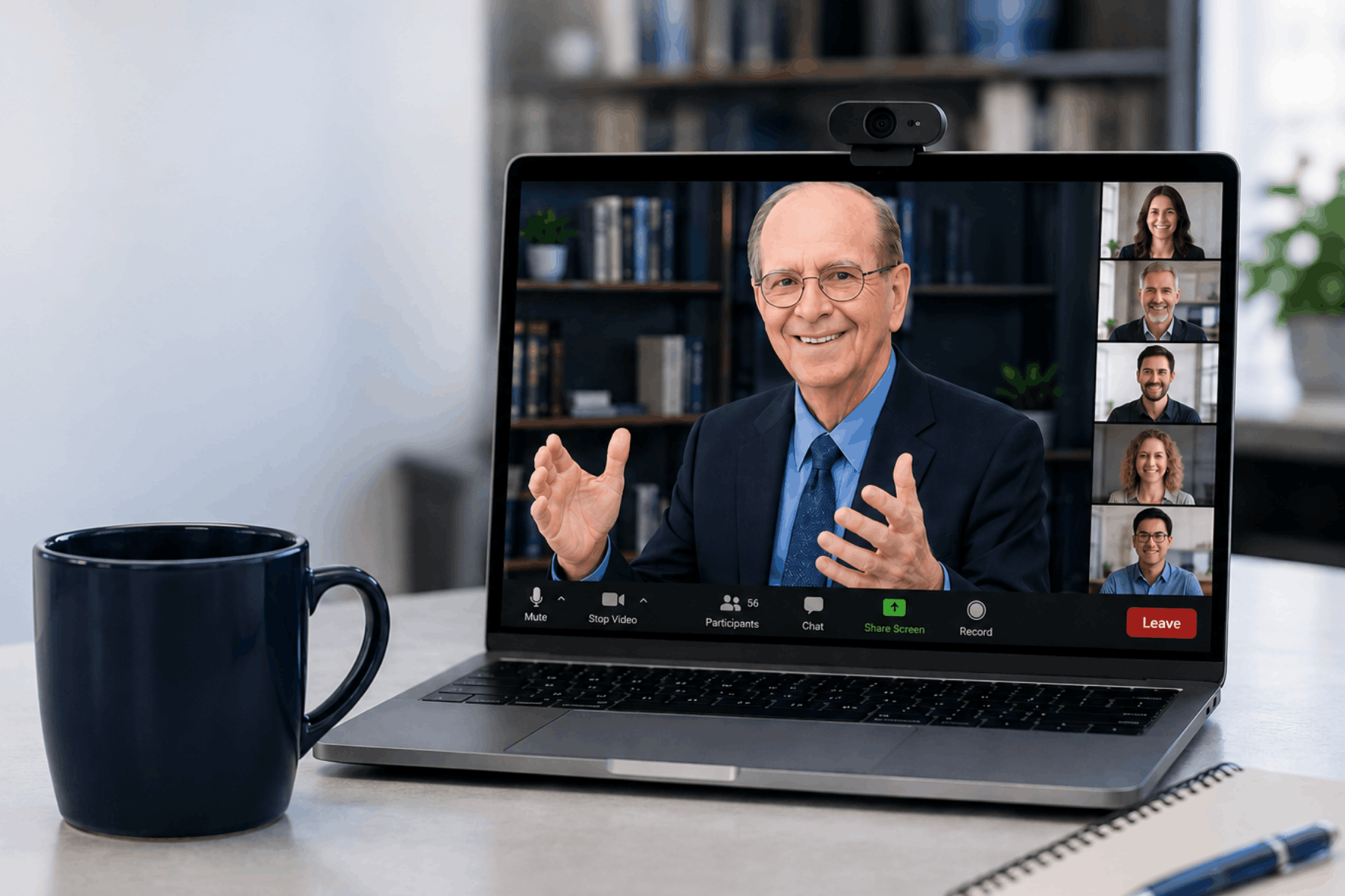
Understanding changes ownership
Technology provides the tool. Education helps owners understand the purpose, order and context behind its use.
Included in the learning experience
Explore the support available to owners
Select each topic to learn more.
System Orientation Understand how the complete framework fits together
Learn the distinct roles of the BioTransducer® and BioModulator®, why polarity comes first and how the two technologies fit within the broader Healing Is Voltage® framework.
Device Learning Build confidence with current-generation technology
Owner resources provide practical instruction for understanding device functions, responsible application and the different ways each technology is used within the Tennant sequence.
Protocol Guidance Follow a more organized approach over time
Structured owner protocols organize the concepts into practical sequences, helping owners move from foundational support toward more focused applications with greater consistency.
Continuing Education Keep learning through live and recorded resources
Power Hour sessions, Tennant Talks and additional learning resources help owners continue exploring cellular voltage, polarity, communication pathways and technology application.
Ongoing Owner Support Stay connected to resources, updates and assistance
Continuing access to Tennant Health resources and customer support gives owners a place to return when they have questions or want to deepen their understanding.
Detailed device instruction and owner protocols are provided inside the protected Owner Education Center.
Continue exploring
Follow the Question That Matters Most to You
Cellular voltage connects to a larger conversation about electrical communication, nervous-system regulation and guided application. Choose the pathway that best matches what you want to understand next.
Electrical Communication
Explore how cells, tissues and nervous-system pathways use electrical signals to support coordinated communication and responsiveness.
Explore the concept
Nervous System Support
Understand how electrical communication relates to regulation, responsiveness, stress adaptation and the ability to return to a calmer baseline.
Explore nervous-system support
Owner Education Center
Continue with device instruction, protected owner protocols and learning resources created for current-generation Tennant technology owners.
Enter owner education