
Connected Throughout the Body
One Nerve. Many Communication Pathways.
The vagus nerve carries information in both directions and participates in several systems at once. Explore four of the pathways that help connect the brain with the body.

Select a pathway to explore
A Continuous Two-Way Conversation
Much of the vagus nerve’s activity carries sensory information from internal organs toward the brain. Other fibers carry signals from the brainstem back into the body, helping coordinate automatic functions.
This communication works alongside many other nerves, organs and regulatory systems.
Supporting Automatic Cardiovascular Regulation
Parasympathetic signals carried through the vagus nerve help influence heart rate and cardiac conduction while participating in reflexes that help the body respond to changing conditions.
Heart-rate changes or cardiovascular symptoms require appropriate evaluation by a qualified healthcare professional.
Breathing, Voice and Protective Reflexes
Branches of the vagus nerve participate in airway regulation and help coordinate functions involving the larynx, voice, swallowing and protective reflexes such as coughing.
Changes in breathing, swallowing or voice can have many causes and should not be self-diagnosed as a vagus nerve problem.
Part of the Gut–Brain Conversation
The vagus nerve carries information between the brain and much of the digestive tract. It participates in the coordination of digestive movement, secretions and signals related to the body’s internal state.
Digestive concerns are complex and may involve many systems beyond vagal signaling.
Common Reasons for Exploring
Why People Explore Vagus Nerve Support
Stress, digestion, rest and recovery are among the reasons people begin researching the vagus nerve. Explore some of the ways these experiences may be described.

Difficulty Unwinding
The body may seem to remain alert even after a demanding or stressful experience has ended.
What this may feel like

Digestive Concerns
Digestive patterns often become part of a broader conversation about nervous-system and gut–brain communication.
What this may feel like

Seeking a Calmer Baseline
Some people want to become more intentional about relaxation, breathing and restorative daily practices.
What this may feel like

Inconsistent Recovery
Recovery after daily demands, physical activity or prolonged stress may feel less consistent than expected.
What this may feel like

Mental or Emotional Overload
Ongoing demands may make it harder to feel mentally settled or fully present during quieter moments.
What this may feel like

Disrupted Rest
Difficulty settling into restful routines can lead people to explore the relationship between stress and parasympathetic function.
What this may feel like
They can have many possible causes. Tennant Health provides education about its wellness framework and technology and does not diagnose vagus nerve dysfunction or replace appropriate medical care.
The Tennant System
Two Technologies. Distinct Roles.
The BioTransducer® and BioModulator® approach bioelectric wellness differently. Each may be explored individually, while together they form the current-generation Tennant System.
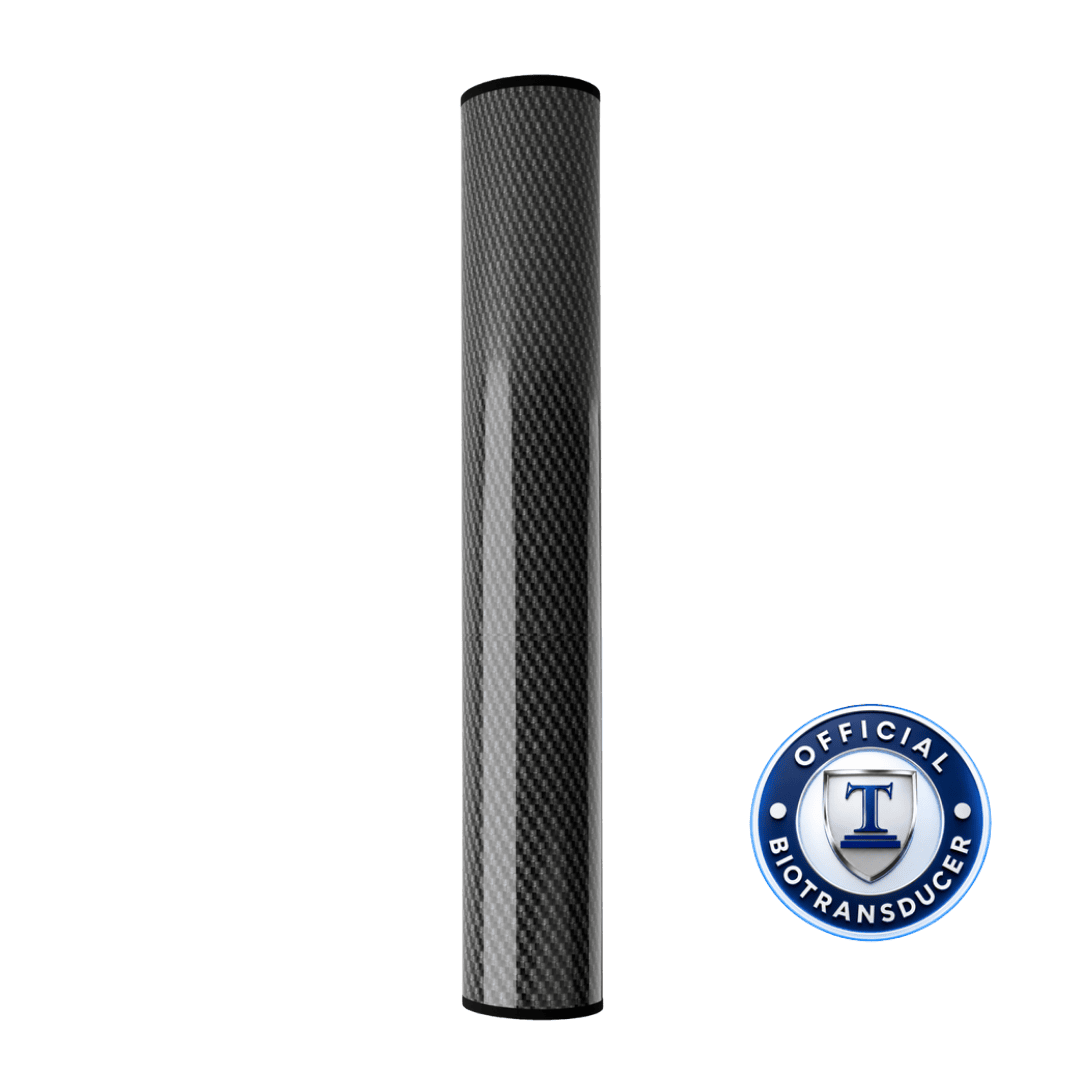
Contact-Free Scalar Technology
Tennant BioTransducer®
The BioTransducer is introduced first within the Tennant sequence. It uses contact-free scalar technology and is associated with polarity support within Dr. Tennant’s educational framework.
- Contact-free
- Scalar technology
- Independent operation
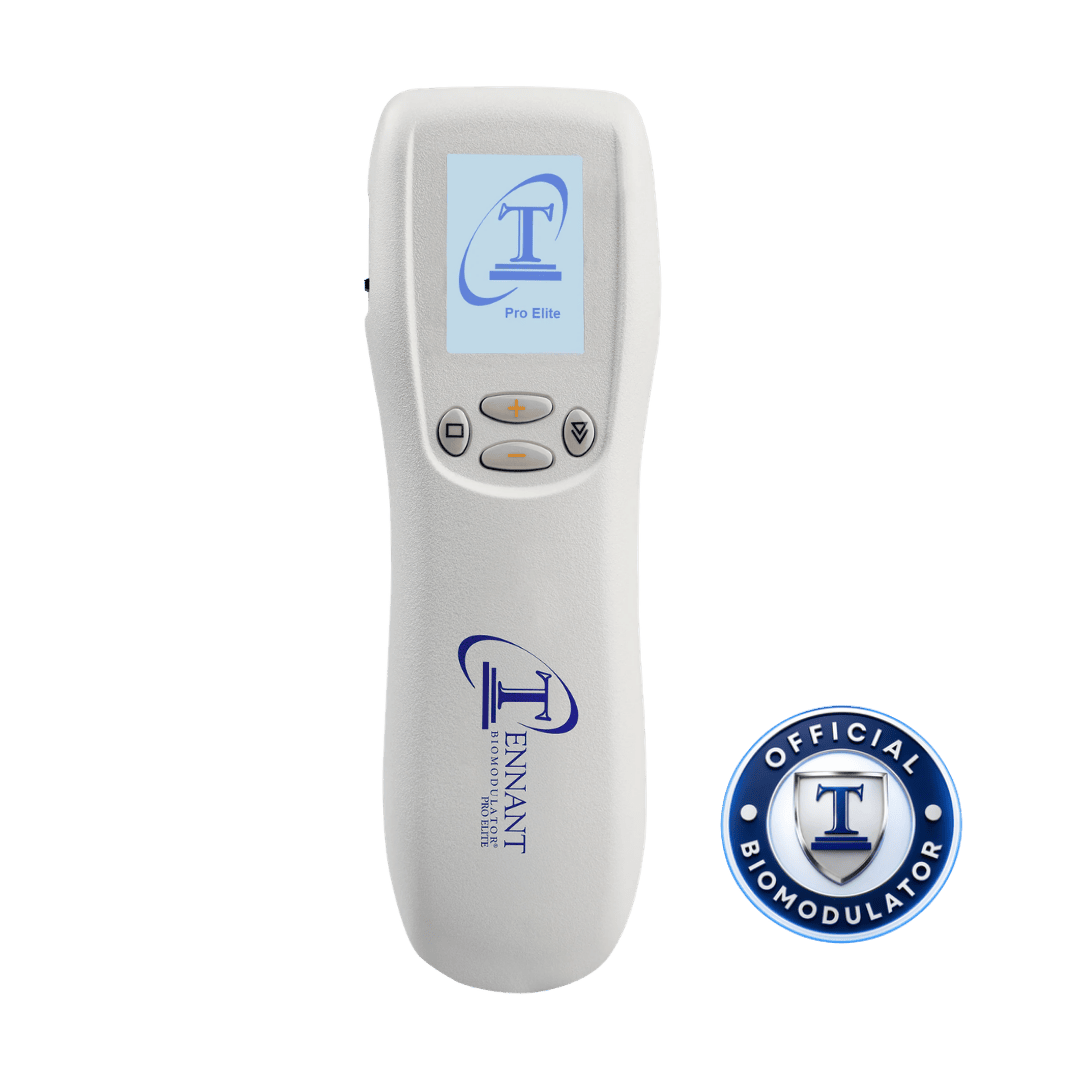
Real-Time Biofeedback
Tennant BioModulator®
The BioModulator provides contact-applied bioadaptive microcurrent. It reads and responds to tissue in real time, adjusting its output during targeted, guided applications.
- Adaptive microcurrent
- Real-time feedback
- Targeted application
Tennant technology is presented within a broader framework of polarity, voltage and guided owner education—not as clinical vagus nerve stimulation.

Technology Is Only Part of the Support
Tennant device owners receive structured education designed to help them understand the technology, follow established guidance and use their system with greater confidence.
Support includes educational resources, device training, protocol guidance, Power Hour learning sessions and continued access to updates and assistance.
Resources You Can Return to as You Learn
Owner education provides a central place to review learning materials, device information and supporting resources at your own pace.
- Educational guides and reference materials
- Device manuals and quick-reference information
- Resources organized for continued learning
Understand the Role of Each Technology
Training helps owners distinguish how the Tennant BioTransducer® and Tennant BioModulator® function within the broader Tennant System.
- Begin with polarity and the BioTransducer®
- Learn the BioModulator® and bioadaptive microcurrent
- Understand responsible operation and care
Continue Learning After Your Initial Training
Power Hour sessions give owners opportunities to revisit Tennant System concepts and strengthen their understanding through continued education.
- Ongoing educational sessions
- Review of system concepts and applications
- Continued learning within the owner community
Move Forward with a More Structured Approach
Guided resources help owners organize what they are learning and better understand established applications within the Tennant educational framework.
- Step-by-step educational guidance
- Clearer context for system applications
- Continued assistance as questions develop
Educational resources support informed device use and do not replace individualized medical evaluation or care.
See How These Support Areas Connect
Vagus nerve function overlaps with broader patterns involving nervous system regulation, restorative sleep and bioelectric communication. Explore the topics most relevant to what you are experiencing.
Stress & Sleep Support
Explore the relationship between nervous system regulation, stress recovery, relaxation and restorative sleep patterns.
Why explore this area?
Stress and sleep influence one another through the autonomic nervous system. Explore how the Tennant framework approaches communication, recovery and restorative balance.
Bioelectric Signaling
Learn how cells, tissues and nervous system pathways use electrical signals to communicate and coordinate responses.
Why explore this area?
The vagus nerve is part of a larger communication network. Explore how voltage, polarity and signaling responsiveness relate to coordinated communication throughout the body.

Healing Is Voltage® Education
Discover why education, guided application and continued learning are central parts of the Tennant System.
Why explore this area?
Learn how Tennant Health combines technology with education designed to build understanding and support responsible, confident system use.