
Electrical Communication Support
A More Complete Way to Explore Electrical Communication Support.
Explore a structured approach that begins with polarity alignment and brings together contact-free scalar technology, adaptive microcurrent, and guided education to support electrical communication, coordination, and responsiveness.
Understanding the Signal
Your Body Is Constantly Sending and Receiving Information.
Electrical communication is one of the ways cells and nervous-system pathways coordinate activity. Controlled differences in electrical charge help support nerve impulses, muscle activity, sensation, and responses to changing conditions. Electrical and chemical signaling work together throughout these processes.
What is electrical communication in the body?
Electrical communication refers to controlled changes in electrical charge that help cells and nervous-system pathways transmit information. These signals work with chemical messengers to coordinate sensation, movement, regulation, and responses throughout the body.
Cells Maintain Charge
Differences in charge across cell membranes help make electrical activity possible.
Pathways Carry Signals
Nervous-system pathways help information travel rapidly between different areas.
Systems Coordinate
Electrical and chemical messages work together to organize biological responses.
Within Dr. Jerry Tennant’s Healing Is Voltage® framework, voltage availability and polarity are viewed as foundational to organized electrical communication. This educational framework does not replace medical evaluation, diagnosis, or treatment.

Why It Matters Every Day
Electrical Communication Connects More Than One System.
Electrical communication participates in nerve signaling, muscle activity, sensation, coordination, stress responses, and biological feedback. Each function depends on communication across interconnected pathways.
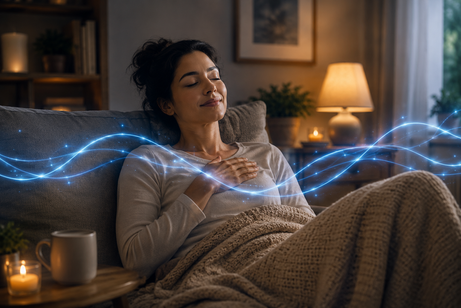
Rest & Regulation
Communication between the brain, nervous system, and body participates in the changing rhythms associated with activity, settling, and rest.

Responsiveness & Awareness
Sensory pathways help the nervous system receive information from inside the body and from the surrounding environment.

Movement & Coordination
Nerve signals and muscle activity work together to help organize posture, movement, timing, and physical coordination.
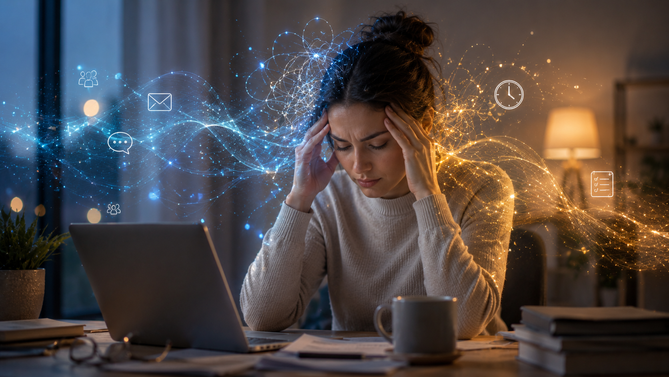
Stress Response
Rapid communication helps the body respond to changing demands and participate in transitions between activity, alertness, and rest.

Communication & Focus
The nervous system continuously receives and organizes information while attention shifts between internal and external demands.

Whole-Body Feedback
New sensory and cellular information contributes to the continuous feedback involved in biological response and adjustment.
These functions are connected, but they are not diagnostic. Changes in sensation, movement, comfort, energy, sleep, focus, or recovery can have many possible causes. Persistent, unexplained, or worsening concerns should be discussed with an appropriate licensed healthcare professional.
Two Technologies · Different Roles
Distinct Forms of Support.
Designed to Work Together.
The Tennant BioTransducer® and Tennant BioModulator® support electrical communication in different ways. Each can be explored independently, while their complementary roles create a more complete system when both are included.
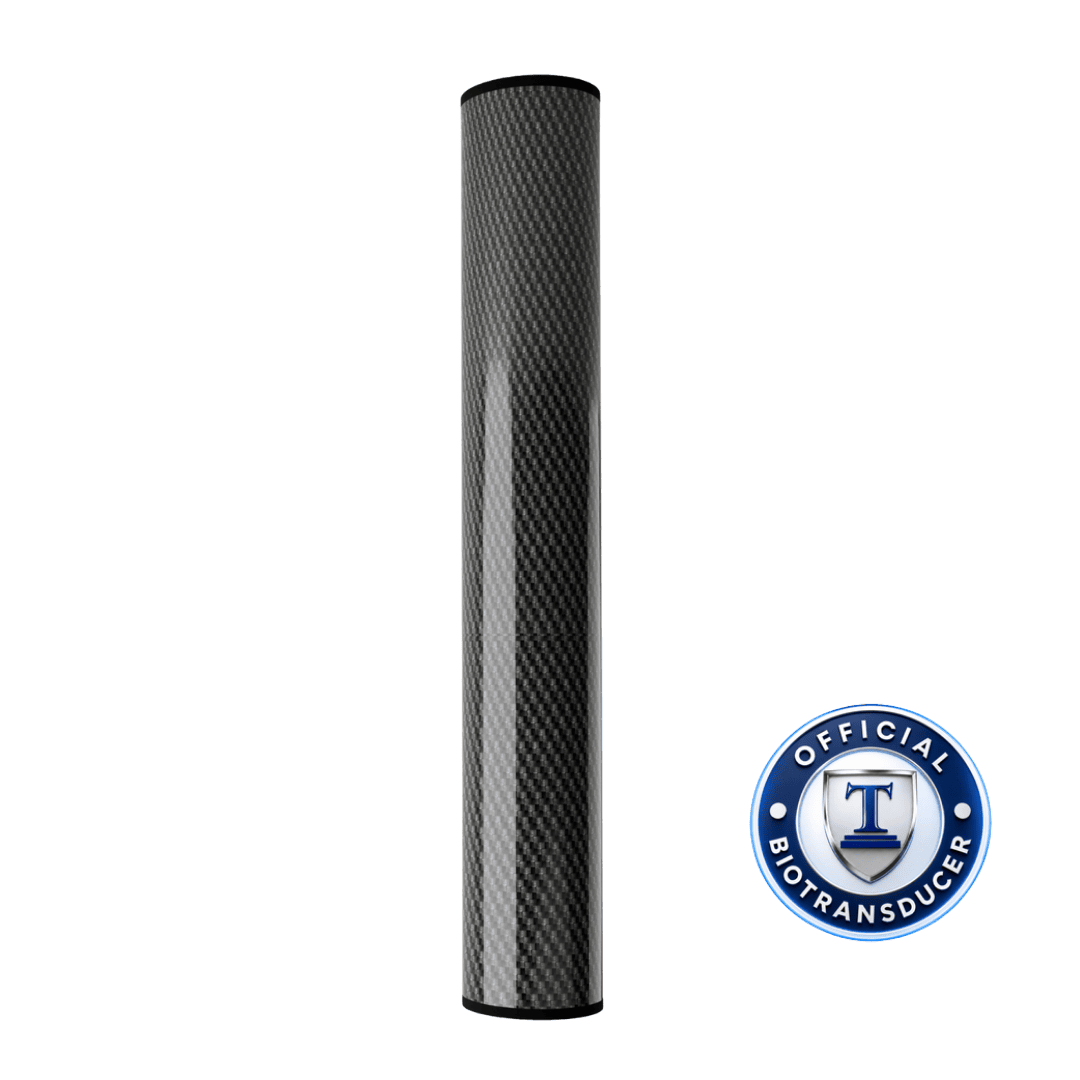
Contact-Free Scalar Technology
Tennant BioTransducer®
The BioTransducer is directed toward the body without touching the skin. Within the Tennant framework, it is introduced first to support polarity alignment and the electrical environment for communication.
- Used first within the framework
- Directed toward the body without skin contact
- Supports polarity alignment
How it fits into the system
Polarity is addressed before targeted microcurrent is introduced. This contact-free starting point can be used on its own or as the first part of a combined sequence.
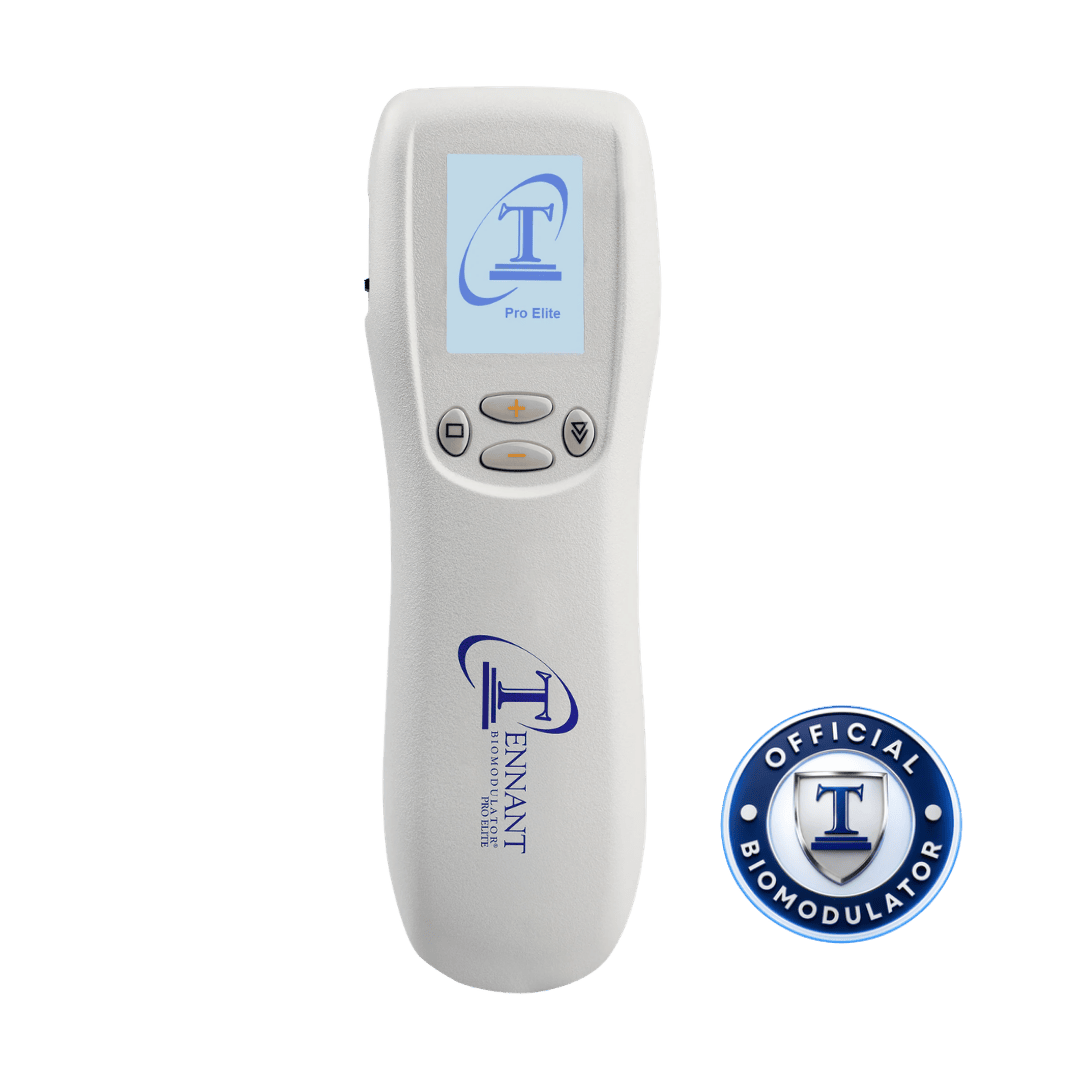
Adaptive Microcurrent + Biofeedback
Tennant BioModulator®
The BioModulator is applied directly to the body. It delivers adaptive microcurrent and uses real-time biofeedback to respond during focused, targeted sessions.
- Adaptive microcurrent application
- Real-time biofeedback
- Targeted pain-relief support
How it fits into the system
When included, adaptive microcurrent follows the polarity-first stage. Its feedback-guided response provides a distinct option for direct, targeted application.
When Both Are Included
Begin with polarity. Then add adaptive support.
The technologies have complementary roles rather than interchangeable ones. Guided education helps each owner understand when and how each technology fits into their individual routine.
Education Is Part of the System
Support Continues After
The Technology Arrives.
Understanding the purpose, sequence, and responsible use of each technology helps turn ownership into a confident learning experience. That is why guided education and continuing support are built into the Tennant Health approach.
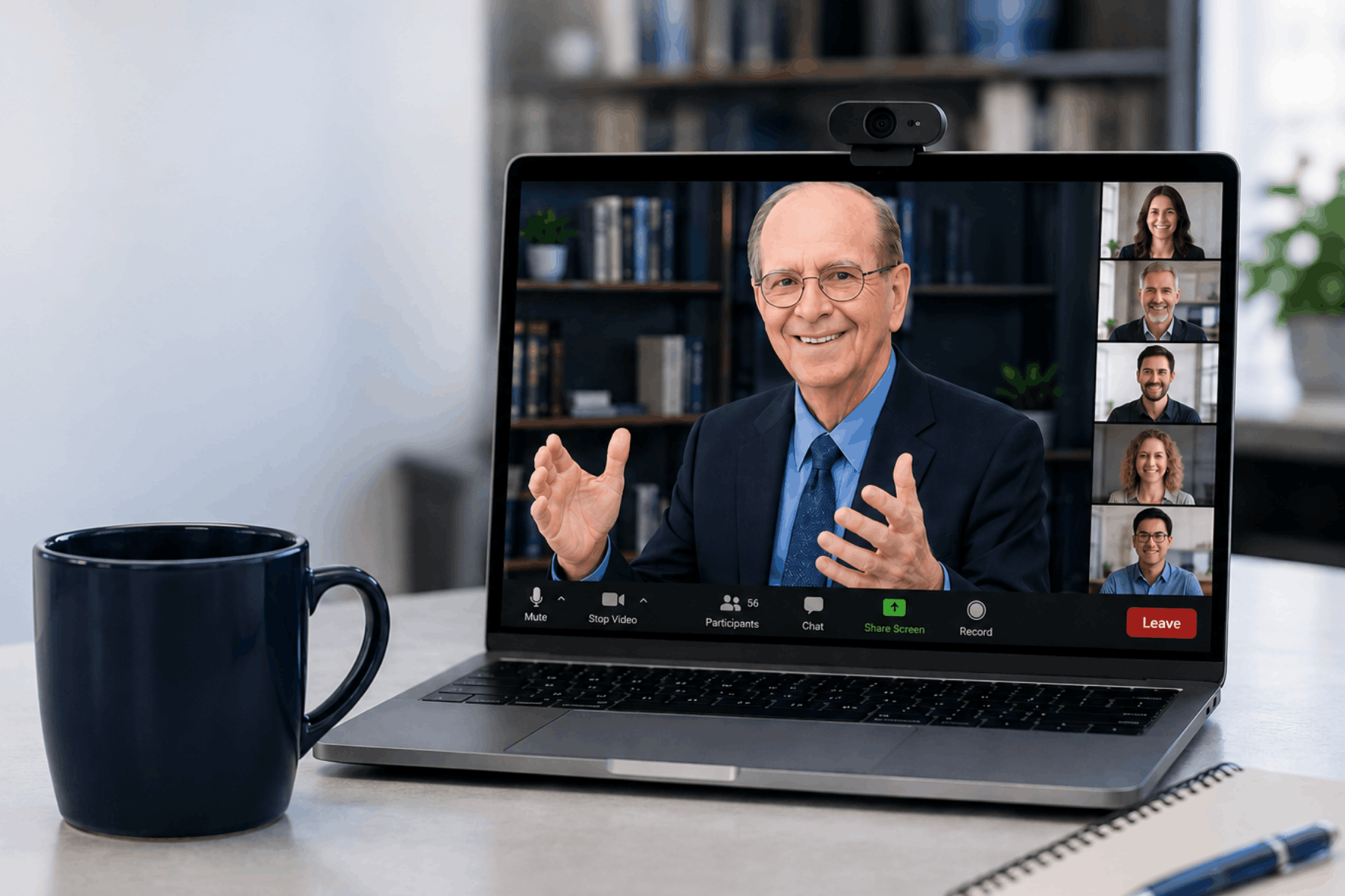
Current-generation owners receive continuing support. Education is not limited to a single orientation or one conversation.
Guided Owner Education
Learn What You Have—and How It Fits Together.
Tennant Health owner education is designed to answer practical questions, clarify the role of each technology, and help owners build familiarity over time. Explore each area below.
Start With the Foundations Device Orientation
Learn the controls, purpose, application style, and distinct role of the technology you own. Orientation helps establish a clear foundation before protocols become part of your routine.
Apply With Understanding Protocol Guidance
Structured protocols help owners understand sequence, placement, timing, and the reason behind each step. When both technologies are included, the guidance begins with polarity support.
Keep Building Confidence Power Hour Sessions
Continuing Power Hour sessions give owners opportunities to revisit important concepts, hear additional instruction, and strengthen their understanding through ongoing education.
Return When Questions Arise Continuing Learning Resources
Current-generation owners receive access to organized learning resources they can revisit as their experience grows and new questions develop.