Stress & Sleep Support
Support the Shift From Stress to Rest.
When the body has difficulty moving out of a heightened stress response, relaxation, sleep and overnight recovery can feel harder to reach. Explore a structured bioelectric approach designed to support polarity, cellular voltage and nervous-system communication.
- Polarity-first framework
- Non-invasive support
- Guided owner education
Stress, Rest & Recovery
Why Stress and Sleep Affect Each Other
Stress and sleep are connected through the body’s nervous-system communication and recovery processes. When the system remains highly alert, shifting into a calmer state can become more difficult.
Sleep also provides important time for restoration. When rest feels incomplete, the body may begin the next day with less resilience for responding to physical, mental, or emotional demands.
A Connected Pattern
The Stress–Rest– Recovery Cycle
What happens during the day can influence the transition into rest—and the quality of overnight recovery can influence how prepared the body feels for tomorrow. Select each phase to explore the connection.
During the Day Responding to Continuous Demand
Physical activity, mental workload, emotional strain, discomfort, and environmental stimulation all require the body to respond and adapt.
- Sustained demand can make it harder to move away from an alert, responsive state.
- Mental and physical tension can remain noticeable after the immediate demand has passed.
- The body must eventually shift from active response toward rest and restoration.
As the Day Slows Moving From Alertness Toward Rest
Rest is not simply the absence of activity. It involves a coordinated transition in signaling, attention, muscle tension, and nervous-system responsiveness.
- A calmer environment can support the body’s natural transition away from daytime stimulation.
- Communication and regulation influence how readily the system settles into a restorative state.
- Difficulty making this transition can be experienced as restlessness or continued mental activity.
Throughout the Night Creating Time for Restoration
Sleep gives the body an important opportunity to restore, reorganize, and prepare for the demands of another day.
- Restorative sleep supports physical and mental recovery.
- Overnight recovery can influence energy, clarity, and resilience the following day.
- When recovery feels incomplete, the next day’s demands may feel more difficult to navigate.
The Tennant Framework
A Structured Approach to Bioelectric Support
Within Dr. Tennant’s Healing Is Voltage® framework, stress and sleep support begins with organized electrical communication—not simply temporary relaxation.
Dr. Tennant’s framework places polarity first because electrical direction and organization influence how effectively communication moves through the body.
The Tennant framework views adequate cellular voltage as foundational to the body’s ability to communicate, respond, and support its natural recovery processes.
Bioadaptive microcurrent technology reads tissue interaction and adjusts its output in real time, supporting a responsive rather than fixed application.
These principles are used as a coordinated framework. Each plays a different role in supporting communication, regulation, and the body’s transition from activity toward restorative rest.
The Tennant System
Two Technologies. Distinct Roles.
The Tennant System brings together polarity support and bioadaptive microcurrent within a guided framework. Each technology serves a different purpose and can be used independently or as part of a coordinated approach.
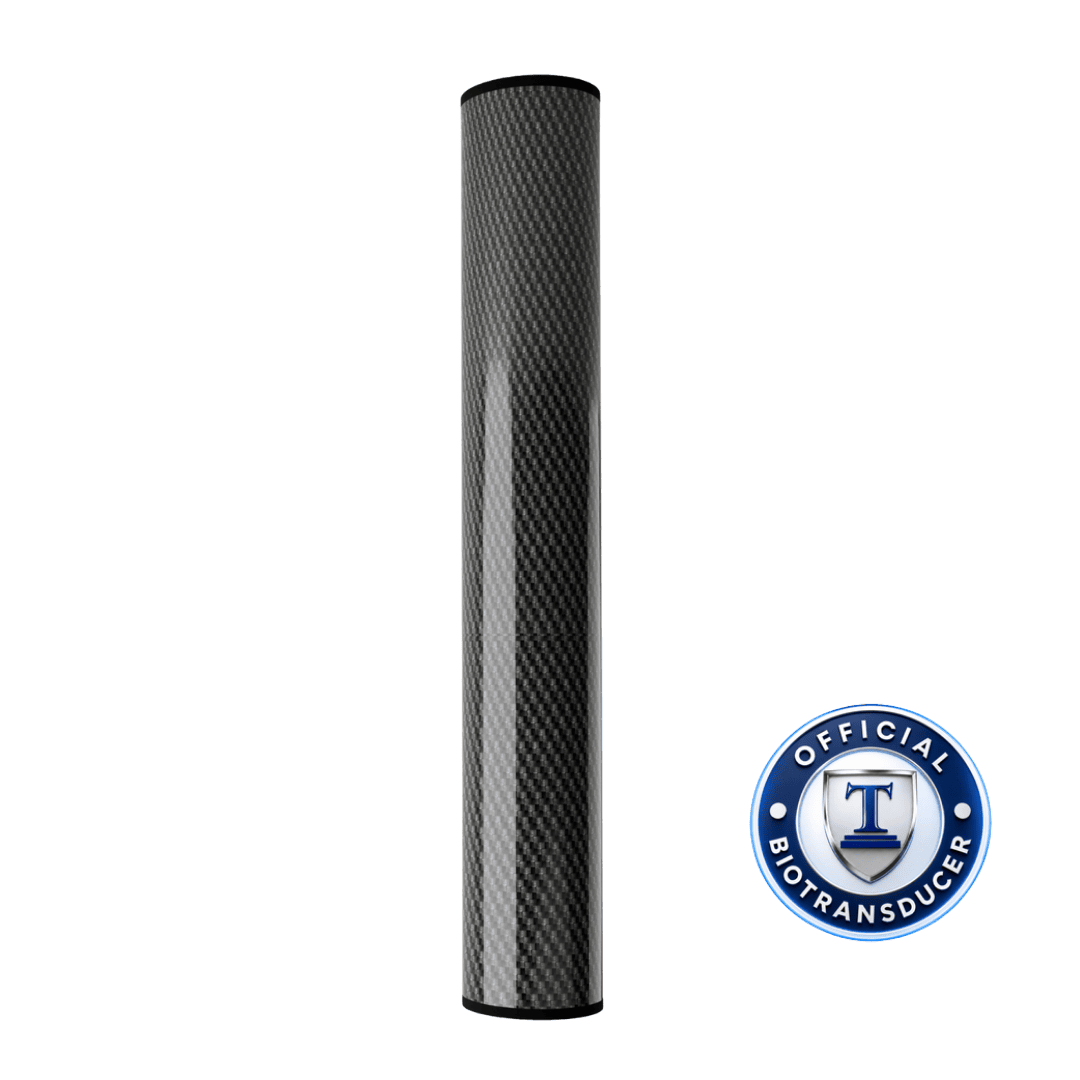
Contact-Free Scalar Technology
Tennant BioTransducer®
The BioTransducer® generates a structured scalar field designed to support polarity alignment, energetic organization, relaxation, and whole-body balance without direct electrical stimulation.
- Supports electrical polarity alignment and balance
- Contact-free application that works through clothing
- Designed to support relaxation and energetic coherence
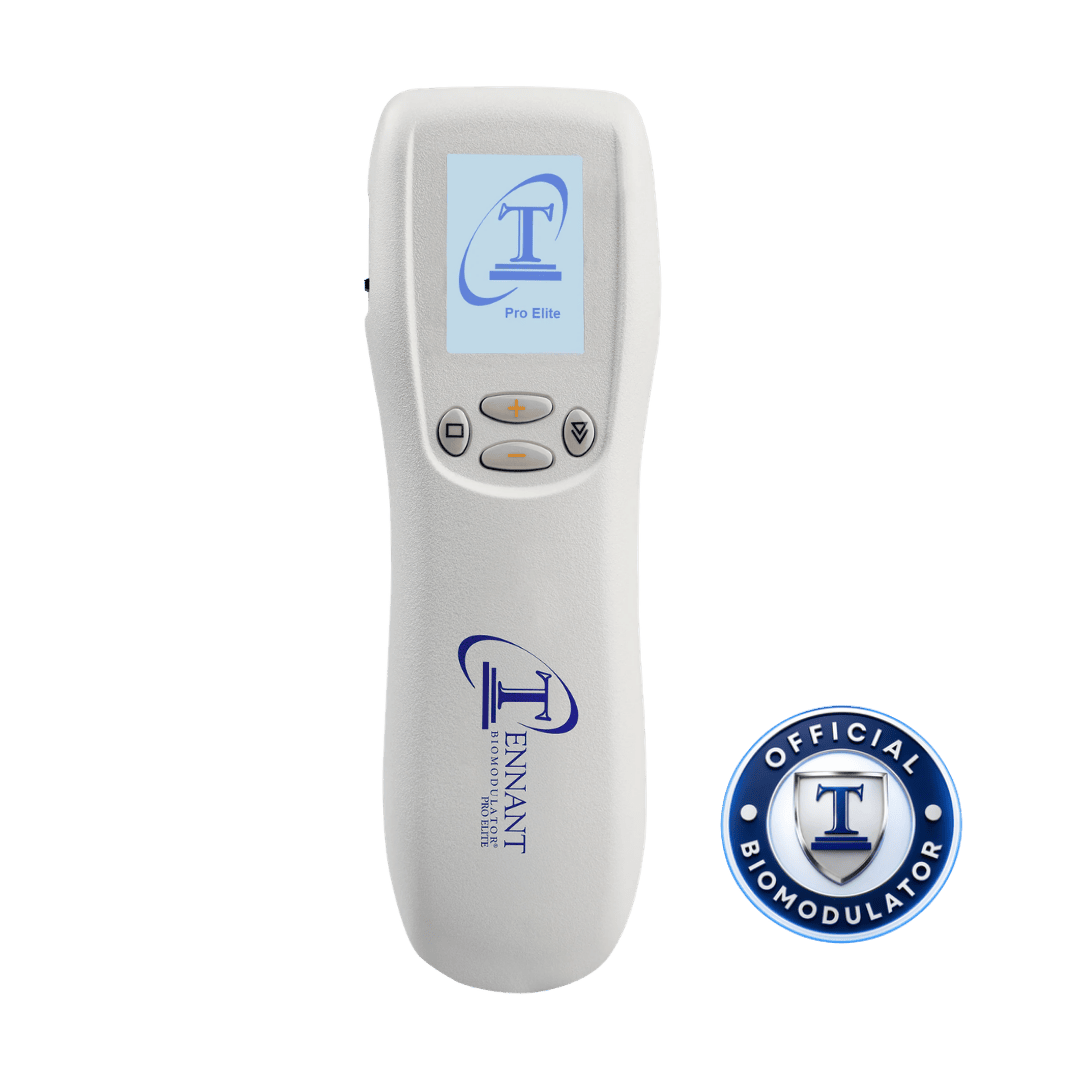
Bioadaptive Microcurrent
Tennant BioModulator®
The BioModulator® delivers bioadaptive microcurrent and reads tissue interaction in real time, adjusting its output to support responsive, guided application.
- Supports cellular voltage and communication
- Adapts dynamically through real-time biofeedback
- Includes a Relaxation program for stress and sleep support
Common Support Goals
When Stress and Rest Feel Out of Balance
Stress and sleep concerns can appear in different ways. Many people begin exploring support when they notice that settling, sleeping, or feeling restored has become more difficult.
Stress Overload
When ongoing physical, mental, or emotional demands make it difficult for the body to move away from an alert state.
Difficulty Settling Down
When the body feels tired but remains physically alert, mentally active, or unable to transition comfortably into rest.
Mental Fatigue
When sustained concentration or stress is accompanied by reduced clarity, mental tiredness, or difficulty disengaging at the end of the day.
Feeling Unrestored
When time spent resting does not seem to provide the expected sense of renewal, energy, or readiness for the day ahead.
Tension Patterns
When physical tension remains noticeable during quiet moments or makes comfortable relaxation more difficult.
Restless Sleep Patterns
When sleep feels interrupted, light, or inconsistent and the body has difficulty maintaining a restorative rhythm.
These experiences can have many contributing factors. Tennant Health provides educational wellness support and does not diagnose the cause of sleep or stress-related concerns.
Preparing for Rest
Supporting the Transition From Demand to Rest
Meaningful sleep support is not simply about making the body feel tired. Rest begins with the ability to move away from daytime demand and toward a calmer, more coordinated state.
Within the Tennant framework, this transition is viewed through polarity, cellular voltage, nervous-system communication, and structured application. The goal is to support the conditions associated with relaxation and restorative function.
A supportive evening transition creates separation between the demands of the day and the opportunity for overnight recovery.
A Coordinated Shift From Active Response to Restorative Opportunity
Education & Application
Guided Through Education and Support
The Tennant System combines technology with structured owner education designed to build understanding, confidence, and consistency.
Device owners receive guidance that explains polarity, cellular voltage, device operation, and protocol-based application—including how the technology fits within broader stress, rest, and recovery support.
A SUPPORTED PATH FORWARD
What to Expect as
You
Explore the Tennant
System
You do not have to understand every part of bioelectric support before beginning. Start with your questions, learn how the technologies differ, and explore the educational resources available to support informed use.
YOUR STARTING POINT
A complimentary discussion centered on your questions
Speak with a knowledgeable Tennant Health team member about what you are experiencing, what you hope to support, and which parts of the Tennant approach you would like to understand more clearly.
- ✓ Discuss your stress, rest, and recovery goals
- ✓ Ask questions about the Tennant technologies
- ✓ Identify relevant educational resources
There is no charge for these educational discussions, and no obligation to purchase.
BUILDING UNDERSTANDING
See how each part of the system serves a distinct role
The Tennant framework begins with electrical direction and organized communication. Education can help you understand why polarity comes first and how the available technologies complement one another.
- ✓ Begin with polarity and the BioTransducer
- ✓ Explore cellular voltage support
- ✓ Understand adaptive BioModulator feedback
The goal is to give you a clear framework for making informed, confident decisions.
ONGOING EDUCATION
Move forward with guidance you can revisit
If you choose to continue, Tennant Health provides educational materials designed to help you become familiar with your technology and incorporate it into a thoughtful wellness routine.
- ✓ Review technology-specific educational materials
- ✓ Learn recommended handling and application principles
- ✓ Return to trusted resources as questions arise
Education supports confident use and does not replace evaluation or care from a qualified healthcare professional.
Ready to begin with a conversation? Choose a convenient time to speak with the Tennant Health team.
CONTINUE EXPLORING
Learn More About the Tennant Approach
Explore the technologies, principles, and educational pathways that can help you better understand bioelectric support for stress, rest, and recovery.
CONTACT-FREE SCALAR TECHNOLOGY
Tennant BioTransducer®
Explore the technology designed to support polarity alignment and organized electrical direction through a contact-free scalar field.
ADAPTIVE MICROCURRENT
Tennant BioModulator®
Learn how adaptive microcurrent and real-time tissue feedback support focused, responsive bioelectric sessions.
THE COMPLETE FRAMEWORK
The Tennant System
See how polarity, cellular voltage, adaptive feedback, and education work together within a structured wellness framework.
YOUR EDUCATIONAL PATHWAY
Getting Started
Review what to consider, how complimentary discussions work, and which resources can help answer your questions.
Not sure which page to explore next? Start with the BioTransducer to understand polarity, then review the BioModulator and the broader Tennant System.
STRESS & SLEEP SUPPORT FAQ
Questions About Stress, Sleep, and Bioelectric Support
Explore clear answers about the relationship between stress and sleep, the Tennant framework, and the distinct roles of the BioTransducer® and BioModulator®.
How are stress and sleep connected?
Stress and sleep are closely connected through the body’s nervous-system communication and recovery processes. When the body remains highly alert, transitioning into a calmer state may become more difficult. In turn, incomplete rest can leave the body with less resilience for responding to the next day’s physical, mental, and emotional demands.
What is bioelectric support for stress and sleep?
Bioelectric support focuses on the electrical communication, polarity, and responsiveness associated with normal cellular and nervous-system function. Within the Tennant framework, the goal is to support organized electrical direction and the body’s ability to shift between activity, relaxation, and recovery.
Which Tennant technology should I learn about first?
The Tennant framework begins with polarity, so the BioTransducer® is the first technology to explore. It uses contact-free scalar technology to support polarity alignment and organized electrical direction. From there, you can learn how the BioModulator® supports cellular voltage through adaptive microcurrent and real-time tissue feedback.
How does the BioTransducer support relaxation and rest?
The BioTransducer creates a contact-free scalar field designed to support polarity alignment and relaxation. Because it does not require direct skin contact, it offers a simple way to incorporate scalar technology into a personal wellness and recovery routine.
What role does the BioModulator play?
The BioModulator applies adaptive microcurrent directly through the skin and reads tissue response in real time. Its responsive technology adjusts during use, supporting focused bioelectric sessions based on the interaction occurring at the application area.
Do I need both Tennant technologies?
The BioTransducer and BioModulator serve different but complementary roles. The BioTransducer supports polarity through contact-free scalar technology, while the BioModulator provides adaptive microcurrent with real-time tissue feedback. A complimentary discussion can help you understand the differences and determine what you would like to explore further.
Will Tennant technology make me fall asleep?
Tennant technologies are not sleep medications and are not presented as guaranteed sleep solutions. They are designed to support bioelectric organization, relaxation, and wellness processes that may be relevant when someone is exploring support for stress, rest, and recovery.
Are Tennant Health educational discussions complimentary?
Yes. Tennant Health’s educational discussions are complimentary, including follow-up conversations. You can ask questions, learn about the technologies, and explore available resources without a consultation fee or obligation to purchase.
Is stress and sleep support a substitute for medical care?
No. Tennant Health technologies and educational materials are not substitutes for medical evaluation, diagnosis, or treatment. Persistent sleep disruption, severe stress, breathing concerns, or changes in physical or mental health should be discussed with an appropriate qualified healthcare professional.