
Recovery Support
Support the Conditions Your Body Uses to Recover.
Recovery involves more than rest. The Tennant System begins with polarity alignment, then supports cellular voltage, bioelectric communication, and nervous-system balance through complementary technologies and guided education.
Understanding Recovery
Recovery Is a Whole-Body Process.
Your body does not recover through one pathway alone. Restorative processes rely on organized electrical polarity, available cellular energy, clear communication, nervous-system regulation and enough time for the body to respond.

Explore five foundations of recovery
Electrical Polarity
Within Dr. Tennant’s Healing Is Voltage® framework, polarity provides electrical direction and organization. It is addressed first to support more coordinated communication throughout the system.
Cellular Energy
Cells rely on electrical energy to perform their everyday functions. Supporting cellular voltage is a central part of the Tennant approach to resilience, responsiveness and recovery.
Bioelectric Communication
Recovery requires communication between cells, tissues and regulatory pathways. Clear, organized signaling helps the body coordinate its response to everyday physical demands.
Nervous-System Regulation
Shifting out of a prolonged stress response can support rest, relaxation and restorative routines. Nervous-system balance is therefore an important part of whole-body recovery support.
Consistency and Time
Recovery is not always a single event. Thoughtful routines, guided protocols and consistent application can help create a more organized approach over time.
Recovery looks different for every person. Tennant Health provides education about the Tennant System and its technologies; it does not replace evaluation or care from a qualified healthcare professional.
Everyday Recovery Demands
Why Recovery Can Feel Incomplete.
Recovery can become more difficult when several demands overlap. Select an area below to explore common patterns that can influence how restored, comfortable and resilient you feel.

Physical Overexertion
Exercise, physical work and demanding schedules can leave the body needing more time and support to return to a comfortable baseline.
These patterns can have many causes. Persistent, severe or unexplained symptoms should be discussed with a qualified healthcare professional.
The Tennant Technologies
Two Technologies. Distinct Recovery Roles.
The Tennant BioTransducer® and Tennant BioModulator® support different parts of the Tennant framework. Each can be used independently, while together they provide a coordinated approach to polarity, cellular voltage and targeted recovery support.
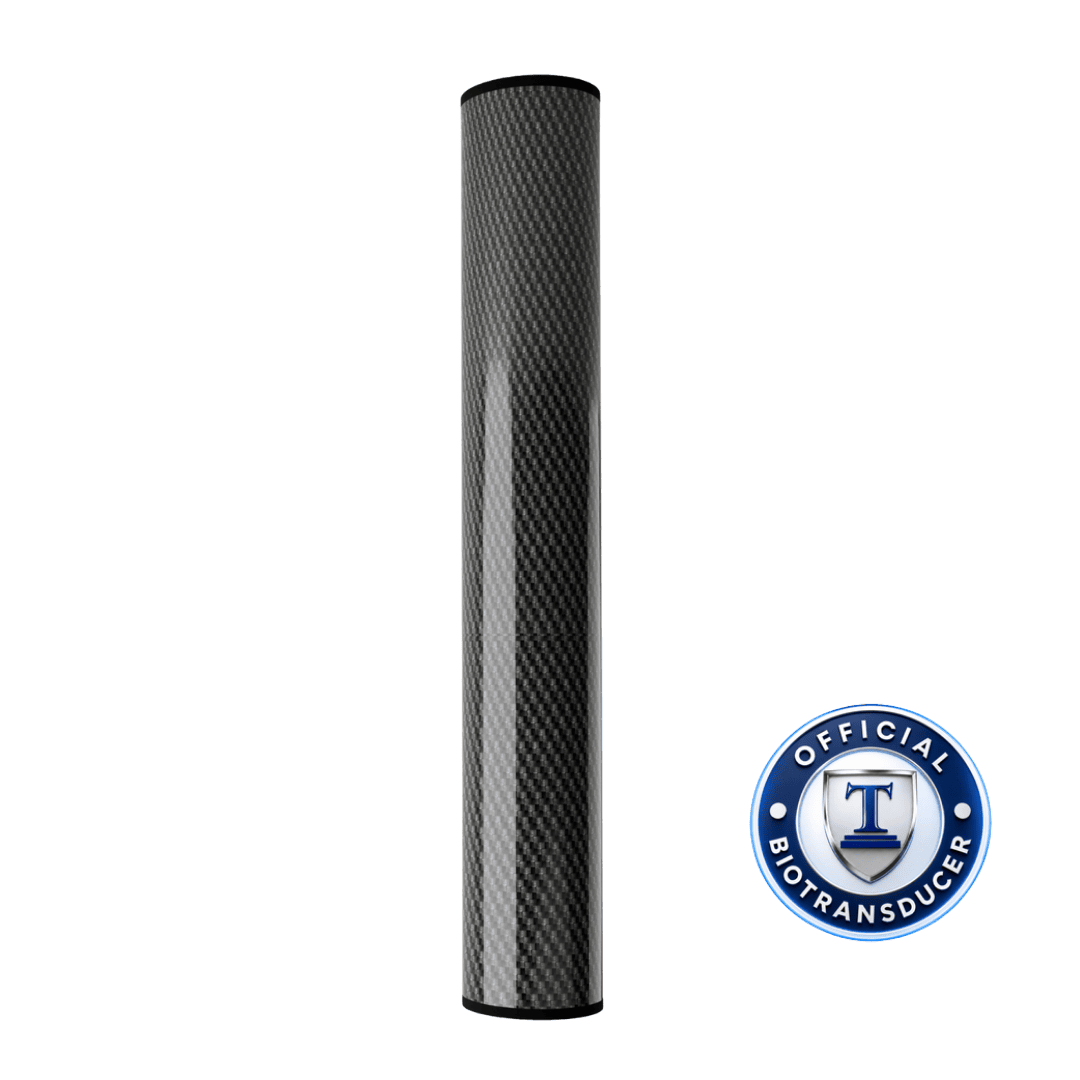
Contact-Free Whole-Body Support
Tennant BioTransducer®
The BioTransducer uses contact-free scalar technology to support polarity alignment, electrical organization and whole-body balance without direct skin contact.
- Contact-free application
- Supports polarity alignment
- Works through clothing
- Standalone source of power
How it fits into recovery support
Within the Tennant System, polarity is addressed first. The BioTransducer provides a contact-free way to support electrical alignment before targeted microcurrent support is introduced.
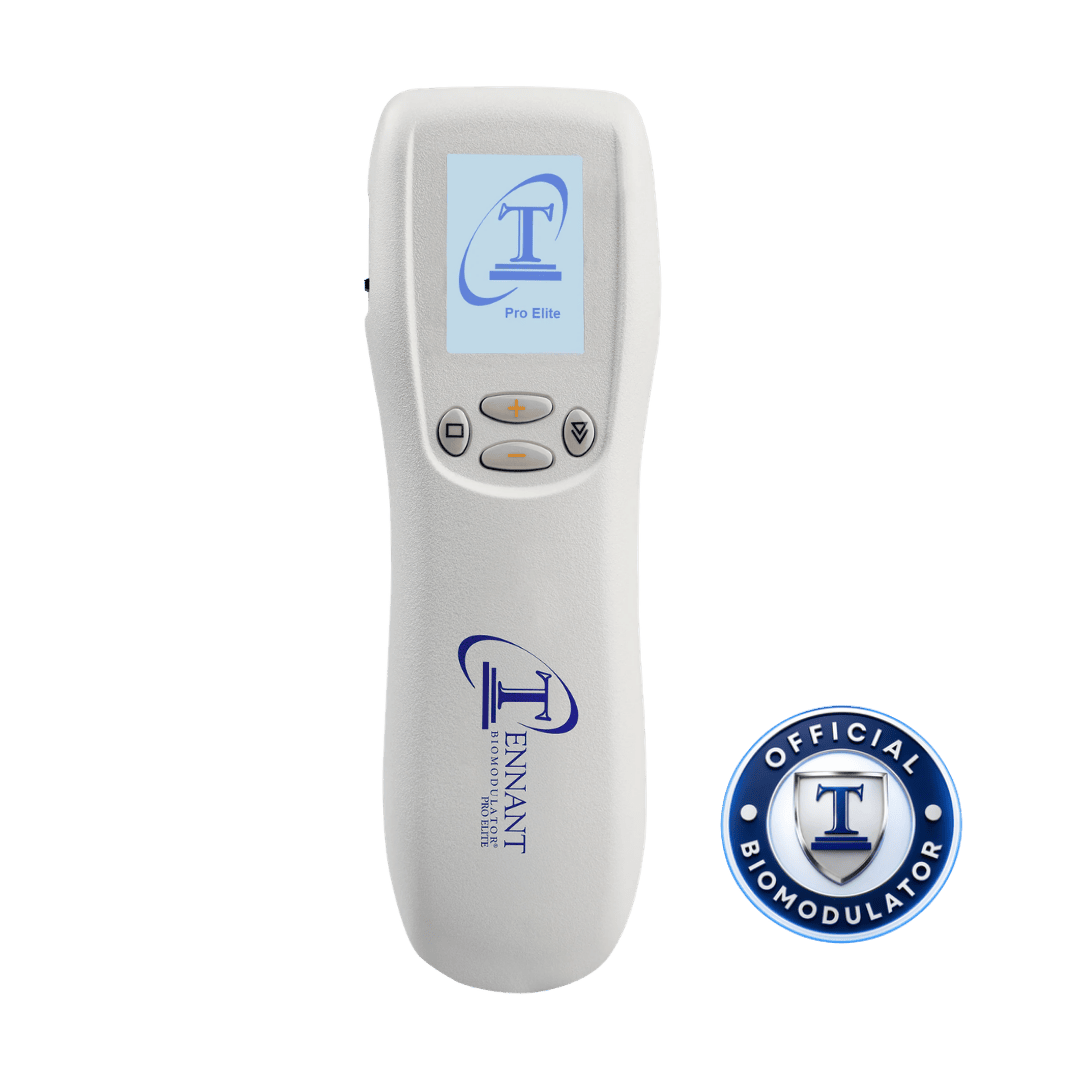
Targeted Contact-Applied Support
Tennant BioModulator®
The BioModulator delivers bioadaptive microcurrent with real-time feedback, reading tissue interaction and adjusting its output throughout targeted application.
- Real-time biofeedback
- Targeted microcurrent
- Supports cellular voltage
- Pain-relief applications
How it fits into recovery support
The BioModulator provides focused support where it is applied. Its adaptive response and pain-relief applications make it relevant when physical comfort and localized recovery are part of the goal.
The Tennant BioModulator® is intended for symptomatic relief and management of chronic intractable pain and as an adjunctive treatment in the management of postsurgical and post-traumatic pain. Do not use the BioModulator with implanted electronic medical devices. The BioTransducer does not deliver electrical stimulation through the skin. Follow current instructions and consult a qualified healthcare professional regarding medical conditions or treatment decisions.
Education & Application
Technology Is Only Part of the Tennant System.
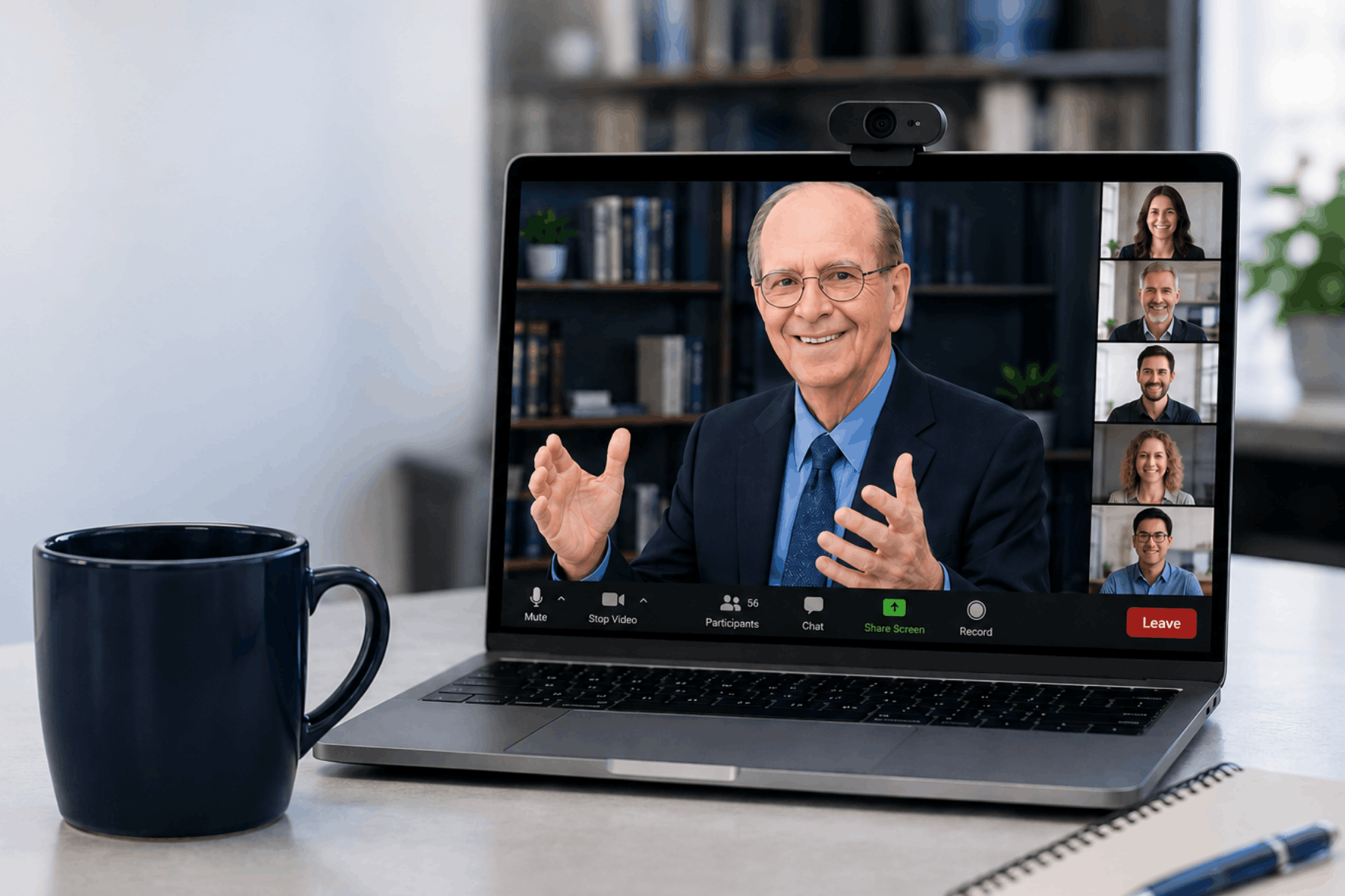
Recovery support becomes more useful when you understand what the technologies do, why sequence matters and how to apply what you are learning consistently.
Current-generation device owners receive structured education rooted in Dr. Jerry Tennant’s Healing Is Voltage® framework. Resources are designed to help owners build knowledge and confidence—not simply receive a device without direction.